Some classic games never come back because the rights are split between multiple companies who can’t agree, the original source code is lost or unusable, the music or likenesses inside it were only ever licensed for a limited time, or nobody currently holding the rights sees enough money in bringing it back.
§01Why can’t a company just re-release an old game?
Re-releasing a game sounds simple from the outside, but it usually requires proving clean legal ownership of every piece inside it — code, art, music, voice acting, and sometimes real-world brands or athlete likenesses. If any one of those pieces was only licensed for the original release, the whole project can stall before a single line of code is touched.
This is different from a game simply being old. Age is a technical problem; ownership is a legal one. A studio can emulate almost anything given enough time and effort, but no amount of engineering fixes a rights dispute. That distinction explains why some genuinely obscure games get faithful re-releases while some beloved, well-known ones stay buried for decades.
§02What kind of licensing problems actually block a re-release?
Music licensing is one of the most common blockers. Many games from the 1990s and 2000s used real songs, and those licenses were often negotiated for a fixed window tied to the original release, not “forever.” Bringing the game back means renegotiating every track individually, and if even one artist or rights holder says no or asks for a fee that doesn’t make sense for a niche re-release, the whole soundtrack — and often the whole project — gets shelved.
Sports and licensed franchise games face a similar issue with athlete or league likenesses. A wrestling, racing, or football game tied to real people or real-world sponsors typically had those deals expire long ago. Sub-licensed engine tech, stock footage, and even fonts can carry their own separate rights that nobody thought to track carefully at the time.
- Music tracks licensed for a limited release window
- Real athlete, celebrity, or brand likenesses that have since expired
- Middleware or engine components licensed from a separate company
- Voice performances requiring new union agreements to reuse
None of this is unique to games — it’s the same tangle that keeps some old TV shows and films out of streaming libraries. Games just add a layer of interactive code on top of all of it.
§03What happens when a studio closes or gets sold?
When a developer or publisher shuts down, its intellectual property doesn’t disappear — it usually gets sold, absorbed into a larger company’s catalog, or left in limbo through bankruptcy proceedings. Tracking down who currently owns the rights to a specific game can take real legal research, and sometimes nobody is entirely sure.
This happens more often than players might expect. Studios from the 1980s through the 2000s were bought, merged, and folded into larger publishers repeatedly. A game’s rights can end up split — one company owns the code, another owns the trademark, a third owns a character design used in the box art. Reassembling that puzzle costs money and legal time, and a publisher has to believe the payoff is worth it before starting.
Our piece on how indie games became a serious part of the industry touches on how differently smaller, independently owned titles move through these transitions compared to games caught inside larger corporate portfolios.
§04Is the source code just… gone for some of these games?
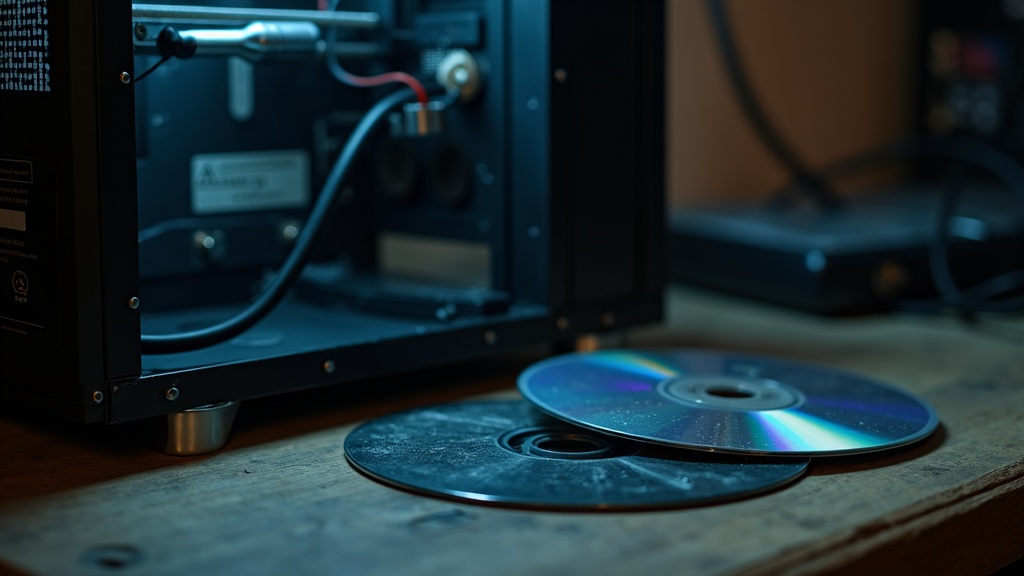
Yes, in some cases the original source code and assets genuinely cannot be found, even by the company that made the game. This isn’t rare — it’s one of the most persistent problems in game preservation, and it can block a re-release just as effectively as any legal dispute.
Older studios didn’t always treat source code as a long-term archival priority. Backups sat on tape drives, old hard disks, or optical media that degraded or were simply thrown out during office moves and company sales. Without the original code, a studio wanting to re-release the game has two expensive options: rebuild it from scratch, or emulate the original release running on the original hardware.
Our guide to why preserving old video games is so difficult goes deeper into how this happens and why it’s a bigger risk for games than for film or music. Related to this, our explainer on how emulation actually works covers the technical side of running old code on modern systems when the original source is unavailable.
§05Does emulation solve the problem even without the source code?
Emulation can let a finished, compiled game run on modern hardware without needing the original source code, which is why many older titles resurface through emulation-based collections. But emulation alone doesn’t resolve the rights questions — a publisher still needs legal clearance to distribute the game at all.
This is why some games are technically easy to emulate and yet still don’t get an official re-release. The technical barrier and the legal barrier are separate problems, and clearing one doesn’t clear the other. A perfectly working emulated build sitting on a hard drive somewhere is not the same as a product a company is legally free to sell.
§06Why would a company choose not to re-release a game even if it could?
Sometimes the rights are clear and the code exists, but the publisher simply decides the audience is too small to justify the cost of testing, certifying, and marketing a re-release. Niche genres, short-lived franchises, and games tied to a specific era’s trends are the most common casualties of this kind of quiet business decision.
Re-releasing anything — even a straightforward re-release with no remaster work — costs money: legal review, platform certification, storefront listing, quality assurance passes on modern hardware and displays. For a game with a small built-in fanbase, a publisher may look at that cost and decide it’s not worth pursuing, even with zero legal obstacles in the way.
This is also why remasters and remakes often target games with proven, larger followings rather than genuinely obscure ones. Our piece on what buyers actually get with a remaster versus a remake explains how publishers weigh that investment, and it’s the same underlying calculation that decides whether a game gets any re-release at all, remastered or not.
§07Does this only happen to old games, or can it happen to recent ones too?
It can happen surprisingly fast. Games built around always-online services, expiring licensed music, or third-party engines can become impossible to re-release within just a few years of their original launch, long before they’d normally be considered “retro.”
Online-only games are a particularly modern version of this problem. When the servers a game depends on are switched off, the game can become effectively unplayable even if physical copies still exist on shelves. Our article on what happens to a game when its servers shut down covers this in detail, and it’s worth reading alongside this topic because the two issues increasingly overlap — a game can be legally re-releasable and still be functionally dead without its original infrastructure.
§08What can players actually do about this?
Players who care about a specific classic game have a few practical, legal options: buying and carefully maintaining original physical copies, supporting official re-releases when they do appear (which signals demand to publishers), and following preservation organizations that document and advocate for at-risk games.
- Look after existing physical copies rather than assuming a re-release will arrive later
- Buy official re-releases and remasters promptly when they do happen, since sales data influences future decisions
- Follow preservation groups and archives that track legal status and advocate for access
- Understand the difference between preservation efforts and unauthorized distribution, which carries real legal risk
For anyone holding onto original cartridges or discs in the hope of a future re-release, our guide on how to take care of old game cartridges and discs is a good practical starting point, since physical media degrades regardless of what happens on the legal side. It’s also worth understanding how to spot a fake or counterfeit retro cartridge, since demand for unavailable classics has made the used market for some titles a target for counterfeits.
§09Will this get better over time?
It’s genuinely mixed. Some publishers have gotten better at tracking rights and preserving source material internally, and preservation advocacy has pushed the conversation forward. But the underlying problems — expired licenses, corporate mergers, and lost archives from decades ago — don’t retroactively fix themselves, so plenty of classic games will likely stay unavailable indefinitely.
For readers who want the broader context behind why some games survive cleanly into the present while others don’t, our history and preservation hub and our Retro & Preservation archive both cover related angles, from hardware longevity to the wider industry habits that shaped which games got documented carefully and which didn’t.