The most reliable way to tell if a game is appropriate for a younger player is to check its official age rating and content descriptors, then actually watch or play a portion of it yourself. Ratings give a baseline, but tone, difficulty, and online interaction matter just as much as violence or language.
§01What’s the fastest way to check if a game is age-appropriate?
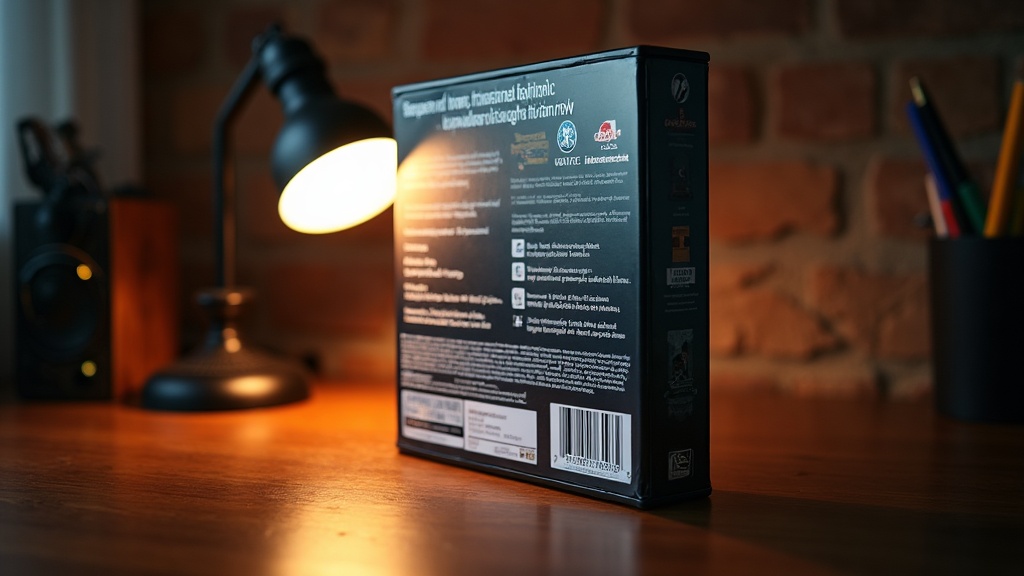
The fastest check is the rating badge on the front of the box or store listing, paired with the content descriptor text usually printed on the back or in the digital storefront description. These two pieces together tell you not just an age number but the specific reasons behind it, such as “fantasy violence,” “use of alcohol,” or “in-game purchases.”
Rating systems differ by region — ESRB in North America, PEGI across much of Europe, and others elsewhere — and they don’t always agree on the same title. Our guide on how age ratings on video games actually work breaks down what each label actually measures and where the systems diverge, which is worth reading before relying on a single number.
A rating is a starting point, not a verdict. It tells you what content exists somewhere in the game, not how central that content is, how it’s presented, or how a specific child will react to it.
§02Do I need to watch gameplay before buying, even with a rating?
Yes, for anything borderline. A short video of unedited gameplay footage shows tone, pacing, and intensity in a way a rating summary cannot, and it takes only a few minutes to get a real sense of what a child will actually see and do.
Searching for gameplay footage from an ordinary player, rather than a trailer, gives a much clearer picture. Trailers are edited to sell excitement; ordinary playthrough clips show the game’s actual rhythm — how often combat happens, how graphic it looks, how frequently frightening moments occur, and how much reading or puzzle-solving is required.
- Look for footage from the first hour, not a highlight reel, since early sections are usually representative of the whole experience.
- Note whether tense moments rely on sudden shocks or on sustained dread, since the two land very differently with younger players.
- Check whether the humor and dialogue are aimed at children, teenagers, or adults — tone often matters more than the content descriptors suggest.
If a game leans on horror rather than jump scares to unsettle players, it can be genuinely appropriate for an older rating despite modest violence — our piece on what makes a horror game scary beyond jump scares explains why atmosphere can be more intense than anything a rating box captures.
§03What content actually matters beyond violence?
Violence is the easiest thing to flag, but online interaction, monetization, and difficulty-driven frustration are often bigger day-to-day concerns for younger players than combat graphics.
- Voice and text chat with strangers. Many multiplayer games put a child in direct contact with unknown adults. This is frequently a bigger real-world risk than in-game violence.
- Spending mechanics. Loot boxes, battle passes, and cosmetic shops can pressure young players toward repeated purchases. Our explainer on how free-to-play games actually make money covers the tactics involved so you know what to watch for.
- Live-service pressure. Games built around daily logins, limited-time events, and season passes can create anxiety about missing out. The article on what a live-service game actually is explains how these structures are designed to keep players coming back.
- Frustration and difficulty. A game rated for a young age can still be miserable for a specific child if its difficulty curve is punishing or its tutorial fails to explain basic mechanics clearly. See our piece on what makes a good video game tutorial work for signs a game will onboard a new player fairly.
§04How do content descriptors actually work, and where do I find them?
Content descriptors are short standardized phrases — like “blood,” “crude humor,” or “simulated gambling” — attached to a rating to explain specifically why a game received it. They appear on physical packaging and in the “additional information” or “content descriptors” section of most digital storefront listings.
These descriptors are more useful than the rating number alone because two games can share the same age rating for very different reasons. One teen-rated game might earn its rating for mild language, while another earns the identical rating for intense fantasy violence. Reading the descriptor list takes seconds and tells you which situation you’re actually looking at.
It’s also worth remembering that ratings boards evaluate the game as submitted by the publisher at a point in time. A live-service or online game can add new content, modes, or chat features after launch that weren’t part of the original review, so a rating earned at release doesn’t automatically cover everything the game becomes months later.
§05Does the platform the game is on change how much risk there is?
Yes. The console, handheld, or PC a child plays on affects how much control a parent actually has over chat, purchases, and screen time, independent of the game’s own content.
Every major platform includes some form of built-in parental controls, but they vary widely in depth — some let you block specific chat features or set spending limits per profile, others are far more basic. Our breakdown of what parental controls actually do on each console compares what’s realistically available on each system, which matters more than most buyers expect before choosing where a child will play.
Handheld devices and PCs also introduce different considerations than a shared living-room console, since play often happens unsupervised in a bedroom. Our guide on the real difference between handheld and home consoles today is a useful reference point if the platform itself, not just the game, is part of the decision.
§06How much time should a younger player actually spend playing?
There’s no single correct number, and reasonable guidance depends on age, the specific game, and what else fills a child’s day. Session length and frequency generally matter more than a fixed daily total.
Rather than chasing a specific hour count, it helps to think about pacing: does the game have natural stopping points, or is it built around endless progression that discourages logging off? Live-service games with daily rewards and time-limited events are deliberately designed to resist natural breaks, which is worth weighing alongside content ratings. Our full discussion of how much screen time is reasonable for games goes into this in more depth, including how session structure affects the conversation more than raw hours do.
§07What if the game is technically fine but still feels wrong for this child?
Trust that instinct. Ratings and descriptors describe the average case; they can’t account for a specific child’s temperament, sensitivities, reading level, or what else is going on in their life that week.
A game rated for a young audience can still be a poor fit if it’s frustrating, features themes a particular child finds distressing, or relies on reading comprehension beyond their level. Conversely, an older-rated game that a parent has actually played through — or watched footage of in full — may be a reasonable exception if the content in question is brief, non-graphic, or easily discussed beforehand.
The combination that works best in practice is straightforward:
- Check the official rating and read the specific content descriptors, not just the age number.
- Watch a few minutes of ordinary gameplay footage to judge tone and pacing.
- Consider online chat, purchase mechanics, and platform-level controls separately from the story content.
- Weigh the individual child’s temperament, not just the label on the box.
None of these steps require special expertise — they just require a few minutes of looking past the rating badge before handing over the controller. For broader context on how the industry frames games for different audiences, our Family & Younger Players section and the wider Genres & Recommendations archive both have further reading worth a look.